Louisiana Bill Adds Sweepstakes Gambling Crimes to Racketeering Law
Louisiana lawmakers have pre-filed legislation to treat sweepstakes casino offenses as racketeering crimes, escalating enforcement after last year’s veto and a wave of cease-and-desist orders.

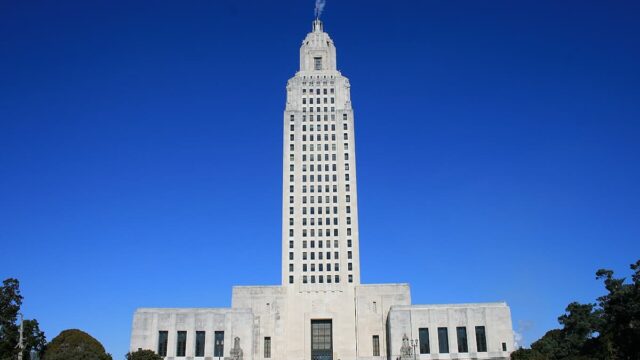
Louisiana Rep. Bryan Fontenot has pre-filed legislation that would treat sweepstakes-style gambling offenses as racketeering crimes, escalating potential penalties and giving prosecutors broader tools to pursue operators and their business partners.
The measure, House Bill 53, comes after last year Gov. Jeff Landry vetoed a bill to ban sweepstakes casinos, arguing that authorities already had sufficient power to target the segment. The veto was followed by regulators issuing dozens of cease-and-desist orders and the attorney general formally declaring the model illegal.
The Louisiana 2026 legislative session convenes on March 9.
Bill Folds Sweepstakes Offenses Into Racketeering Law
HB 53 does not create a new prohibition. Instead, it amends Louisiana’s racketeering statute to add existing gambling crimes — including those commonly cited in sweepstakes enforcement — as predicate offenses.
The bill states:
“As used in this Chapter, ‘racketeering activity’ means committing, attempting to commit, conspiring to commit, or soliciting, coercing, or intimidating another person to commit any crime that is punishable under the following provisions…”
Newly listed crimes include:
- “(91) R.S. 14:90.3 (Gambling by computer)”
- “(93) R.S. 14:90.7 (Gambling by electronic sweepstakes device)”
The additions also cover general gambling offenses, unlawful wagering, and related crimes.
By classifying those violations as racketeering, prosecutors could pursue enterprise-style cases rather than isolated gambling counts. That could potentially enable conspiracy charges, broader investigations, and asset forfeiture.
Industry observers say the approach could expand exposure beyond operators to include vendors, affiliates, and payment partners.
Follows Last Year’s Veto
Last year, the Louisiana Legislature was among the first to pass an explicit ban on sweepstakes casinos. However, in June, Gov. Landry vetoed it. He argued that existing laws already prohibited the conduct.
In his veto letter, Landry wrote:
“This bill attempts to criminalize certain secondary gambling activities on the internet that are already prohibited in Louisiana… Our current Louisiana Gaming Control Board has the regulatory authority, control, and jurisdiction over all aspects of gaming activities and operations pursuant to the Louisiana Gaming Control Law.”
The governor said regulators and law enforcement already possessed sufficient authority to police the market.
Regulators and AG Have Already Acted
Since that veto, enforcement has accelerated.
The Louisiana Gaming Control Board, working alongside the Louisiana State Police Gaming Enforcement Division, sent more than 40 cease-and-desist letters to sweepstakes and social casino operators last year, ordering them to exit the market or face further action.
Then, in July, Attorney General Liz Murrill issued a formal legal opinion concluding that online sweepstakes casinos using dual-currency or promotional-prize models violate state law.
Murrill wrote that:
“…online businesses offering casino-style games — purporting to be sweepstakes or social gaming platforms — are operating in violation of Louisiana law… These activities constitute illegal gambling and illegal gambling by computer under multiple provisions.”
Following those actions, over 40 major sweepstakes brands either exited the state or shifted to non-cash, entertainment-only play.
Part of Broader Regulatory Shift
Louisiana’s moves reflect a broader shift in state gambling policy in 2026. Lawmakers are increasingly focused on tightening existing gambling statutes and regulatory tools rather than relying solely on traditional prohibition frameworks.
This emerging pattern — using criminal code revisions, enhanced enforcement authority, and consumer protection statutes — shows regulators are leaning on established legal mechanisms to address sweepstakes and other gray-market products rather than passing new, stand-alone bans.
HB 53 fits squarely within that trend, representing the latest example of a state strengthening its enforcement leverage by folding gambling offenses into broader racketeering law rather than creating a new sweepstakes-specific prohibition.
Image credit: Jim Plylar via Wikimedia Commons (license)


Gambling Insider delivers the latest industry news, in-depth features, and operator reviews that you can trust. Our team combines rigorous editorial standards with decades of specialized expertise to ensure accuracy and fairness. We are committed to delivering clear, impartial, and dependable coverage across the global gambling sector.