Wisconsin Tribes Push Lawmakers to Advance Stalled Online Sports Betting Bill
Wisconsin's tribal nations renewed their push for online sports betting during the State of the Tribes address, urging lawmakers to advance stalled bipartisan legislation that would let tribes launch mobile wagering statewide.

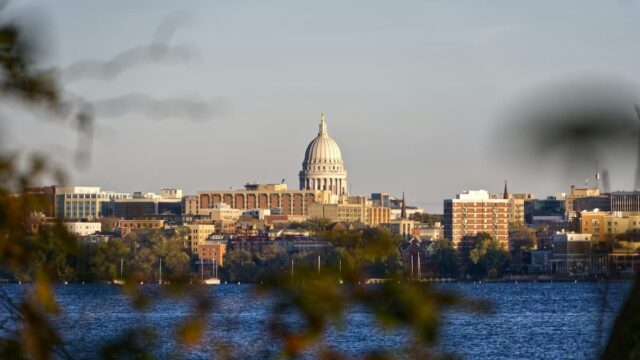
Wisconsin’s tribal nations are calling on state lawmakers to legalize online sports betting. Currently, sports betting is limited to in-person sportsbooks located at tribal casinos under existing gaming compacts, a structure leaders say leaves online demand to offshore platforms.
Tribal leaders made mobile wagering a central economic priority during the annual State of the Tribes address at the State Capitol on Feb. 10. Alongside online sportsbooks, they also pushed to legalize medical marijuana, increase education funding, and strengthen environmental protections.
All 11 federally recognized tribes took part in the event, along with state lawmakers. The annual gathering gives Native communities a platform to highlight key issues and build stronger relationships with the state government.
Tribes Frame Mobile Betting as Key Revenue Source
Red Cliff Band of Lake Superior Chippewa Chairwoman Nicole Boyd delivered the keynote address. She said tribes are missing out on potential revenue because many people use black market online sportsbooks.
“It is estimated that Wisconsin residents spend hundreds of millions of dollars every year on unlawful and unregulated sports betting platforms,” Boyd said.
“That is why I ask you to approve the legislation currently before you that will bring Wisconsin tribes one step closer to offering mobile sports betting in Wisconsin.”
In August, the Ho-Chunk Nation sued the prediction market platform Kalshi, arguing that it violated tribes’ exclusive rights to offer wagering on their lands. Kalshi asked the court to dismiss the case, claiming its contracts qualify as financial products exempt from tribal gaming laws.
The lawsuit highlights tribes’ broader argument that sports-related wagering should remain within the tribal compact system rather than migrate to federally regulated prediction markets.
Boyd said this revenue would help fund essential services and infrastructure across tribal communities. She explained it could support housing, law enforcement, and fire departments.
Boyd added that tribal gaming revenues “help ensure that mothers and babies have access to healthcare and healthy food, ensures that our elders can receive care, that our families can have housing.”
She urged lawmakers to approve a bipartisan bill that could move the issue forward. Boyd added that legalization would also increase state revenue and strengthen consumer protections.
Tribal leaders argue that legalization would keep that spending in-state, generate additional compact revenue for Wisconsin, and provide consumer safeguards unavailable on offshore sites.
Bipartisan Bill Advances, Then Stalls
In October 2025, bipartisan lawmakers introduced companion bills, Senate Bill 592 and Assembly Bill 601. The proposals would allow tribes to operate online sportsbooks, provided servers remain on tribal land, mirroring Florida’s “hub-and-spoke” model. Private operators could partner with tribes to launch platforms.
The bills quickly advanced through the committee stage and advanced to a public hearing. However, Assembly leaders pulled the measure from the voting calendar in November.
Majority Leader and bill sponsor, Tyler August, said the bill lacked sufficient support at the time and that further discussion was needed. He added that the chamber is in no rush, as the Senate won’t reconvene until January.
Neither bill has appeared on recent Assembly or Senate calendars since November, but lawmakers say negotiations continue behind the scenes.
Speaking to local media on Feb. 10, Republican Representative Mark Born said leadership expects the legislation to reach a floor vote during the 2026 session. Born added that “discussions are ongoing and there is certainly, it’s something that is getting a lot of attention.” That signals the bill remains active despite its removal from the calendar.
If lawmakers approve one of them, the state would need to amend existing gaming compacts and secure the Bureau of Indian Affairs’ approval. Those federal approvals would be required before any mobile platforms could launch.
Lawmakers and Operators Push Back
Opponents argue that legal online sports betting would drive gambling addiction higher. Senator Chris Kapenga echoed those concerns in a newsletter. He said he opposes sending more money to a single group that holds a monopoly on sports wagering in Wisconsin.
The Sports Betting Alliance, which represents operators like DraftKings and FanDuel, also opposes tribal-controlled online betting. The group objects to the proposed 60% revenue share for tribes. It notes that sports betting already operates on thin margins and requires heavy capital investment.
For now, Wisconsin bettors must wait as lawmakers continue negotiations behind closed doors. Tribal leaders, state officials, and industry groups remain divided.
Still, after elevating mobile wagering as a centerpiece issue during this year’s address, tribes are signaling that online sports betting will remain a top legislative priority heading into 2026.


Gambling Insider delivers the latest industry news, in-depth features, and operator reviews that you can trust. Our team combines rigorous editorial standards with decades of specialized expertise to ensure accuracy and fairness. We are committed to delivering clear, impartial, and dependable coverage across the global gambling sector.