PointsBet Faces Ontario Suspension Over Jontay Porter Bets; What Would U.S. Regulators Do?
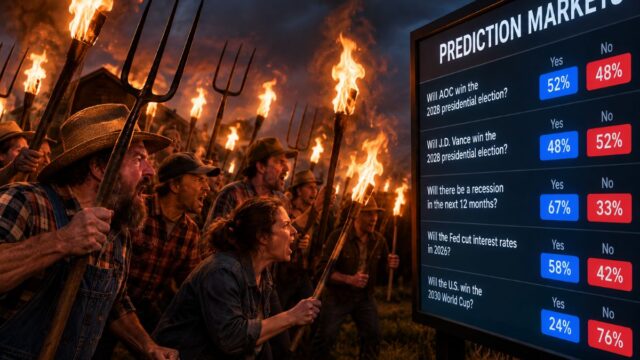
Concerns over insider information are timely in the U.S., as similar issues are raised with prediction markets emerging nationally.


PointsBet is headed to Ontario’s penalty box.
On Thursday, the Alcohol and Gaming Commission of Ontario (AGCO) released a statement saying it intends to suspend the iGaming operator’s license for five days because regulators in Canada’s most populous province allege a “systemic failure to properly monitor, detect, document and report suspicious betting patterns” tied to the Jontay Porter NBA betting scandal from two years ago.
Porter played 26 games for the Toronto Raptors in the 2023-24 season before the league expelled him in April 2024 after it found he bet on NBA games and tipped off bettors that he would leave games early. Akin to insider trading on Wall Street, Porter’s actions allowed individuals to bet the under on certain prop bets, knowing they would win.
AGCO: PointsBet Failed to Report Bets in Timely Manor
At the time the NBA launched its investigation nearly two years ago, the AGCO ordered all approved sportsbooks to confirm whether they offered prop markets on Porter and if they uncovered any suspicious betting behavior.
According to the AGCO’s statement, PointsBet, “after significant delay,” claimed it did not offer bets on Porter.
The commission made another request to sportsbooks last October after federal prosecutors in the U.S. showed Porter’s bets were part of a larger operation. That request led to PointsBet finally admitting it did offer such wagers.
Upon obtaining and reviewing PointsBet’s wagering data, the AGCO confirmed the indications of suspicious betting that was central to the scheme uncovered in 2024,” the commission said in its statement. “These wagers should have been detected and reported at the time the betting occurred.”
PointsBet, fined twice for other violations in Ontario, will have the opportunity to appeal the decision. In a statement to media outlets, the company defended its compliance record and expressed disappointment with the commission’s decision. It is considering an appeal to an independent tribunal, which it must request within 15 days.
Still, the news could not have come at a worse time for the Australian-based sportsbook and online casino operator. Earlier this month, it announced plans to enter Alberta’s regulated market, set to launch later this year. Having a blemish like this on its record, should the suspension stay, probably won’t keep PointsBet from getting approved, but it’s likely to raise some eyebrows at the very least. It might even lead to some uncomfortable questions in Edmonton.
Would U.S. State Regulators Take Similar Action?
PointsBet won’t have to worry about any of that south of the 49th Parallel. That’s because the company sold its U.S. gaming properties to Fanatics in May 2023. The deal culminated on April 3, 2024, two weeks before the NBA formally banned Porter.
Still, would a state regulatory agency ever take such a step against a licensed operator for failing to identify and report aberrant betting patterns? While it’s hopefully a question that will always remain hypothetical, history says it probably won’t be the case.
Since sports betting became available in 40 states, we have seen a few states sanction sportsbooks, but most only through fines. Some of the six-figure variety have been paid by operators who make millions annually. The recently defunct Tennessee Action 24/7 received the most severe punishment of any U.S. sportsbook five years ago. Regulators in the Volunteer State suspended the operator’s license after raising concerns about money laundering and credit card fraud. Tennessee Action did win an injunction in the case.
Prediction Markets Put Question on the Feds, Too
Beyond the states, it’s even a question for the federal government – at least for now, since the Commodity Futures Trading Commission is allowing prediction markets to offer contracts on sports and sports-related markets along with other pop culture events that don’t face the same scrutiny as publicly traded companies.
If you want to know the answer to the federal government’s ability to go after bad actors in prediction exchanges, check out this story from Barron’s earlier this week on the commission’s Chicago enforcement division becoming a ghost town.
CNBC also raised insider trading concerns earlier this week when Kalshi CEO Tarek Mansour appeared to discuss the company’s Super Bowl performance. When asked repeatedly about such markets as Bad Bunny’s first song for the Super Bowl halftime show, Mansour looked like Patriots quarterback Drake Maye facing the Seahawks’ defensive line. It wasn’t good. Mansour essentially said people with information can take advantage of those who are just guessing and hoping, and, as the CNBC anchors noted, those people would not face the same repercussions as a corporate executive who divulges inside information about their company.
In other words, some offerings at federally regulated prediction markets have all the integrity of the three-card monte table on a street corner. The prediction market operators might not profit from the scheme, but they’re setting up the table and dealing the cards for those that do.
Bettors and traders need better protection than that. They deserve their money back on bets affected by insider trading. Short of that, Ontario is at least putting operators on notice that they will face some punishment for inaction. Whether that would ever happen in the States, who knows?
Maybe we could put up a market on that.


Gambling Insider delivers the latest industry news, in-depth features, and operator reviews that you can trust. Our team combines rigorous editorial standards with decades of specialized expertise to ensure accuracy and fairness. We are committed to delivering clear, impartial, and dependable coverage across the global gambling sector.