NTU study: High speed gambling reduces self-control
A study by psychology researchers at Nottingham Trent University (NTU) in England has found that gambling at high speed reduces self-control among players.

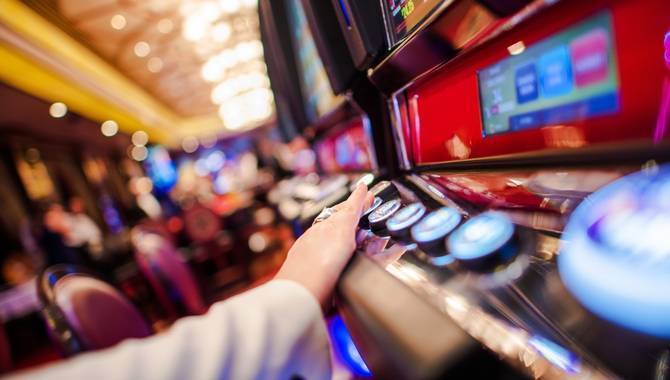
The study saw 50 non-problem gamblers play on simulated slot machines at varying degrees of speed.
During the faster speeds, the participants were unable to respond to colour cues. According to the NTU researchers, this indicated that the gamblers were more impulsive and had less control when the pace of the game was accelerated.
When asked to measure their own control levels, the participants perceived themselves to be in control throughout the experiment.
“Previous research shows a consistent finding that games with faster speeds are preferred by problem gamblers and are associated with more negative gambling outcomes, such as difficulty quitting the game and increased monetary loss,” commented Dr. Andrew Harris, lead researcher and senior lecturer in Psychology at NTU’s School of Social Sciences.
“The results here are of particular importance, as they show that when playing faster forms of gambling, self-control is impaired relative to slower speed games, even among non-problem gamblers.”
Harris has recommended that gambling legislation is reviewed in regards to lower stakes and faster speed gambling games.
Among his recommendations, Harris has advised that operators make clocks and monetary spend displays more noticeable to ensure they are observed by gamblers.



Gambling Insider delivers the latest industry news, in-depth features, and operator reviews that you can trust. Our team combines rigorous editorial standards with decades of specialized expertise to ensure accuracy and fairness. We are committed to delivering clear, impartial, and dependable coverage across the global gambling sector.


