Survey Shows Sports Betting Suffers Perception Issue; Here’s What it Misses
Regulated sportsbooks not to blame but still take a hit when new incidents are uncovered


A recent survey about sports betting generated some attention earlier this week as it found that half of Utahns and Americans polled believe pro athletes “sometimes” or “often” change how they perform in games to help bettors.
Maybe that was meant to shock people and get them to read the story posted Monday by the Deseret News, a Salt Lake City-based news organization owned by the Church of Jesus Christ of Latter-day Saints. That finding was first mentioned in the second paragraph of the Deseret News’ article on the survey.
The Deseret News commissioned the poll in conjunction with the Hinckley Institute of Politics at the University of Utah, and 12% of the 769 registered voters in the state thought athletes did it “often,” while 38% believed it happened “sometimes.” Of the 2,002 registered voters polled nationally, 11% said often, and 39% answered sometimes.
Let’s get something clear before we go any further. Yes, some athletes have fixed games. Some athletes have fixed games since legalized sports betting became available in more states over the last eight years. However, some athletes did it beforehand, too, when people could only bet legally in Vegas.
All the while, people have also been able to bet illegally either with a local bookie or online with an offshore sportsbook. Those won’t go away if legal sports betting ever does.
Regulated Sports Betting Helps Address Issues
That athletes have fixed games should be as shocking as people speeding on the highways or politicians lying to constituents. What the allegations of game fixing shouldn’t be is a damnation of legal, regulated sports betting.
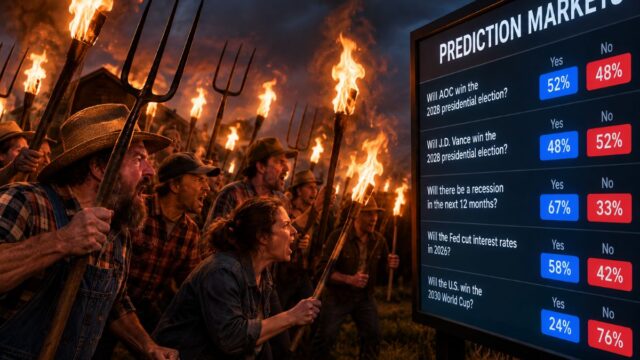
Yet, every time there’s a story like Cleveland Guardians pitcher Emmanuel Clase spiking pitches or the college basketball players indicted last month by a federal grand jury, out come the pitchforks and torches along with the calls to ban sports betting once again.
The investigations need to continue. The finger-pointing does not.
Many of the most recent allegations of pitch fixing and point shaving have come forward because of the regulated markets now available in 40 states. The athletes in question knew – or should have known – what they were jeopardizing when they agreed to participate, and they also should have known some red flags would be raised when a few people tried to bet exorbitant amounts on an outcome or game that usually draws scant interest.
Is it unfortunate that these events happen? Absolutely, but it shouldn’t come as that big of a surprise. What’s happening now is the culling of the low-hanging fruit. Authorities didn’t need to do much to catch these individuals. Remember Bert Neff? He’s the guy who was texting the then-Alabama baseball coach while trying to bet $100,000 on a game after the coach confirmed scratching the scheduled starting pitcher. He showed the texts to the clerks at the counter in an Ohio sportsbook. No master sleuthing needed there.
These incidents will hopefully serve as an example to current and future athletes. It won’t put a stop to all match fixing efforts, though, and expect future schemes to become more sophisticated. As such, states and other stakeholders will need to up their game in order to catch those perpetrators.
Sports Betting Not As Big As Many Believe
The Deseret News article reports how prevalent Americans believe game-fixing is today. What it actually shows, though, is the disconnect between the public’s perception of sports betting in the United States and the actual size of the market.
While 50% believe athletes “often” or “sometimes” fix games – people can interpret a variety of amounts from those vague terms – just 28% polled said they have placed a wager through a brick-and-mortar sportsbook or online app. I’ll guess there’s not much overlap between those two groups.
Sports betting is still a niche market, or perhaps more accurately, a niche within a niche. A 2025 report from SBRnet found that almost 34 million people placed bets on a game or event in 2023. That’s slightly more than 10% of the population. The 2023 total grew by less than 6% from 2022, so if you factored the same year-over-year growth for 2024 and 2025, it would mean there are roughly 38 million who have placed a bet.
Yet you can’t fault those who don’t bet for thinking the market is a lot bigger. Not at a time when nearly every sports broadcast features game odds or analysts’ picks. Not at a time when you can find sports betting ads in arenas and stadiums, and especially not at a time when sportsbooks air commercials around the clock.
Perception Still Matters
Sports betting may not be as big as many think it is, and match fixing may not be nearly as prevalent as some believe it is. However, as one of my old bosses liked to say, perception is reality.
What does that mean for sportsbooks and the leagues and teams with whom they partner? It means they need to do a better job of educating players and others about what’s at stake if they get involved in sports betting, and they must also work to get ahead of as many potential incidents as possible.
Ontario has already shown that it’s willing to suspend PointsBet over allegedly failing to report in a timely manner suspicious betting behavior connected to the Jontay Porter scandal. Hopefully, states will not need to take similar action.


Gambling Insider delivers the latest industry news, in-depth features, and operator reviews that you can trust. Our team combines rigorous editorial standards with decades of specialized expertise to ensure accuracy and fairness. We are committed to delivering clear, impartial, and dependable coverage across the global gambling sector.