Baltimore Sues Sweepstakes Casino Operators Over Alleged Illegal Gambling Platforms
Baltimore has filed a lawsuit against six major sweepstakes casino operators, alleging their dual-currency platforms constitute illegal online gambling under Maryland law.


The City of Baltimore has filed a civil lawsuit against six major sweepstakes casino operators, accusing them of running illegal online gambling platforms disguised as legal sweepstakes.
Filed March 4 in the Circuit Court for Baltimore City, the complaint names six operators: VGW Holdings (Chumba Casino and LuckyLand Slots), B2Services (McLuck), Yellow Social Interactive (Pulsz), Sweepsteaks Limited (Stake.us), High 5 Games (High 5 Casino), and Blazesoft (Fortune Coins).
Baltimore alleges the companies violated the city’s Consumer Protection Ordinance by offering casino-style games to residents despite online casino gambling being illegal in Maryland.
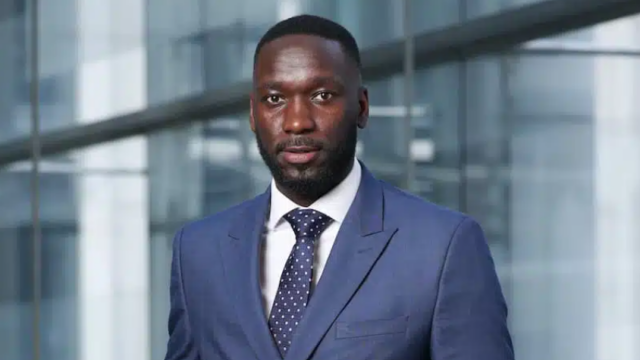
“These companies are targeting our communities, including young people and minors, and profiting while ignoring the law,” Baltimore Mayor Brandon Scott said. “No company, especially those operating from overseas, gets to profit here while flouting our laws and endangering our residents.”
The city is seeking civil penalties, restitution for affected consumers, and an injunction preventing the platforms from continuing to operate in Baltimore.
Lawsuit Targets Dual-Currency Sweepstakes Model
At the center of the lawsuit is the industry’s “dual-currency” model.
According to the complaint, users purchase virtual currency — often called “gold coins” — and simultaneously receive a second currency known as “sweeps coins,” as a “bonus.” The sweeps currency can then be wagered on casino-style games and redeemed for cash, prizes, or cryptocurrency.
Baltimore argues that this structure fits into the definition of gambling: consideration (payment), chance (random game outcomes), and prize (cash redemption).
The lawsuit says that users must pay real money to purchase virtual currency. It alleges that the sweepstakes currency can be redeemed for cash or prizes, constituting real-money gambling.
“These companies are operating illegal gambling platforms while using deceptive practices to avoid oversight and accountability,” Baltimore City Solicitor Ebony Thompson said.
Allegations Include Targeting Young Users
Baltimore also argues that the platforms’ design and marketing target younger audiences.
It alleges they wrap their gambling products in “colorful, cartoonish packaging—animated characters, spinning treasure chests, and ‘leveling up’ mechanics—drawn directly from the mobile games popular with children and adolescents.”
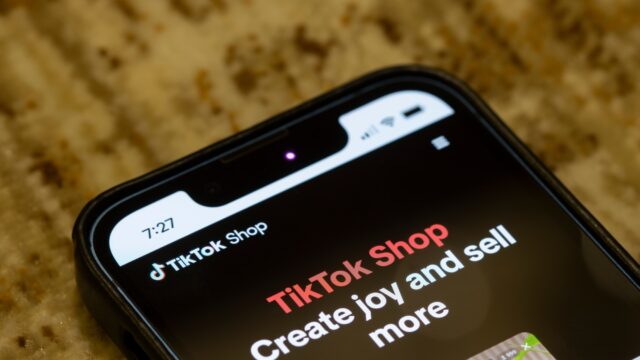
The complaint also cites celebrity endorsements, including Drake, as well as marketing through social media influencers and advertising on platforms such as TikTok and YouTube, which have younger audiences. The result is:
“An illegal gambling operation dressed up as a children’s game, marketed to young audiences, and operated from offshore jurisdictions without any of the consumer protections Maryland requires of legal gambling operations.”
The lawsuit also alleges that the platforms’ age-verification controls are minimal and easily circumvented.
Baltimore claims the companies extracted millions of dollars from residents. At the same time, they have contributed nothing to state tax revenues or responsible gaming programs.
It also notes that the defendants are largely foreign-owned corporations incorporated in jurisdictions such as Malta, Cyprus, and Estonia, deliberately chosen to circumvent U.S. oversight.
Second Major Municipal Enforcement Action
Baltimore’s case represents the second major municipal civil enforcement action targeting sweepstakes casinos. In August 2025, the Los Angeles City Attorney filed a lawsuit against Stake.us and more than 20 related defendants, including gaming giant Evolution.
Similar to the Baltimore suit, the Los Angeles complaint alleged that Stake.us operated an illegal online casino in California while presenting itself as a free social gaming platform designed to circumvent state gambling laws.
The lawsuit also named a broader network of companies connected to the platform, arguing they helped facilitate the alleged illegal gambling operation.
More Than 100 Lawsuits Filed Against Sweepstakes Operators
While it was only the second municipal civil enforcement action, Baltimore’s lawsuit arrives amid a wave of class-action complaints against sweepstakes casinos.
Court records show more than 100 active individual and class-action lawsuits against operators. The defendants in the Baltimore case all face multiple suits. VGW alone faces dozens of suits.
Many of these lawsuits rely on state gambling loss recovery statutes or consumer protection laws.
Despite the growing number of lawsuits, they have not forced sweepstakes casinos to exit particular states. That’s because the platforms usually include arbitration clauses and class-action waivers in their terms of service.
These provisions have proven highly effective, with courts in multiple states dismissing class-action lawsuits or sending them to arbitration.
Government-led enforcement actions such as Baltimore’s could therefore represent a more significant escalation for the industry.
Maryland Lawmakers Also Considering Sweepstakes Ban
The lawsuit also comes as Maryland lawmakers consider several bills that would explicitly prohibit sweepstakes casinos statewide.
Two companion bills, Senate Bill 112 and House Bill 295, received hearings in late January and early February.
During a Senate committee hearing, John Martin, Director of the Maryland Lottery and Gaming Control Agency, told lawmakers that the agency lacks effective tools to address the growing number of illegal online platforms. He said the agency has sent 75 cease-and-desist letters, with only about a third of operators complying.
Neither bill has progressed past its initial hearing. During both, lawmakers questioned whether regulation is the path forward, rather than prohibition.
Lawmakers will hold hearings on two other measures targeting sweepstakes casinos. On March 5, the House Judiciary Committee will discuss HB 1226. Lawmakers will discuss the measure’s Senate companion, SB 652, on March 11.


Gambling Insider delivers the latest industry news, in-depth features, and operator reviews that you can trust. Our team combines rigorous editorial standards with decades of specialized expertise to ensure accuracy and fairness. We are committed to delivering clear, impartial, and dependable coverage across the global gambling sector.