New FULL HOUSE Act Targets Gambling Tax Rule, Backed by Ways and Means Lawmakers
A new bill introduced in the House this week would statutorily undo the 90% gambling loss deduction that took effect on January 1, giving the House Ways and Means Committee a ready-made vehicle to reverse a provision of President Trump's tax law.

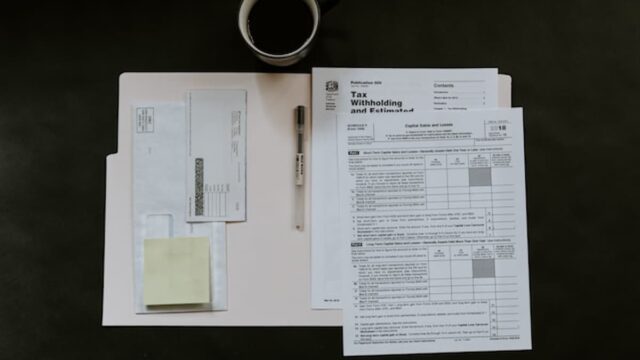
The change caused consternation in the gambling community, as people would pay taxes even if they didn’t make a profit. Under the new rule, a gambler who wins $100,000 but loses $100,000 within the same year can deduct only $90,000. That means they owe taxes on $10,000 even though they didn’t make a profit.
Congresswoman Dina Titus has been leading the charge since July. However, the House Ways and Means Committee has yet to hold a hearing on her FAIR BET Act.
On January 13, Titus formally wrote to Ways and Means chairman Jason Smith and Ranking Member Richard Neal. She requested that the committee “consider a common-sense tax fix at its next markup,” arguing that the 90% cap will “have significant and harmful consequences” for regulated gambling markets.
Titus warned that the new rule would drive bettors toward offshore and unregulated gambling sites “where consumer protections are nonexistent.” She argued that it would undermine responsible-gaming efforts and state tax revenue.
The bill now has bipartisan support. Republican Rep. Tom Cole, the Chairman of the House Appropriations Committee, joined as a co-sponsor last week. Most recently, Titus introduced an amendment to this week’s Appropriations minibus to include the FAIR BET Act.
Revisiting the FULL HOUSE Act
The latest bill relevant to the gambling loss deduction is the Facilitating Useful Loss Limitations to Help Our Unique Service Economy (FULL HOUSE) Act. Congressmen Max Miller and Steven Horsford introduced House of Representatives 6985 (HR 6985) on January 8.
Both are members of the House Committee on Ways and Means. The bill was referred to the panel the same day. Because Ways and Means controls federal tax law, HR 6985 gives the panel the most direct procedural path to restoring the 100% gambling loss deduction.
The bipartisan HR 6985 would amend the Internal Revenue Code. It would once again allow wagering losses to be deducted up to the amount of a gambler’s winnings, reversing the change enacted in Trump’s tax law.
Nevada Rep. Horsford said restoring the deduction is critical for the state’s gaming economy. He called it “fundamentally unfair” to tax people on money they never actually earned.
Senator Catherine Cortez Masto introduced the Senate version of the FULL HOUSE Act in July 2025. It remains in the Senate Finance Committee, where it hasn’t had a hearing or other type of action.
In addition to the FULL HOUSE Act and FAIR BET Act, a separate Republican-led bill, the Winnings and Gains Expense Restoration (WAGER) Act (HR 4630), is also pending before Ways and Means.
Slim Chances of Passage
Despite efforts by lawmakers to reverse the change in the gambling loss deduction, it appears that the appetite among key lawmakers isn’t quite there.
Earlier this month, Senator James Lankford commented that the drop to 90% was “a pretty minor change” in tax policy. He’s a member of the Finance Committee, where lawmakers originally drafted the provision.
Having the two bipartisan co-sponsors of HR 6985 on the House Ways and Means Committee is a positive step toward overcoming the first procedural hurdle. The question now is whether Congress will reverse course — something leadership has shown little interest in — or leave the 90% gambling loss deduction in place.


Gambling Insider delivers the latest industry news, in-depth features, and operator reviews that you can trust. Our team combines rigorous editorial standards with decades of specialized expertise to ensure accuracy and fairness. We are committed to delivering clear, impartial, and dependable coverage across the global gambling sector.