Prediction Markets, Responsible Gambling, Micro Betting Lead Gambling Bills That Mattered This Week
Lawmakers also advanced proposals affecting gambling advertising, sports betting competition, skill games, and underage gambling protections.

A busy week in gambling legislation was highlighted by Illinois approving a tax on contracts for sports event prediction markets, while Colorado enacted responsible gaming measures. Elsewhere, the Rhode Island Senate again approved legislation aimed at expanding the state’s sports betting market.
Here are the gambling bills that mattered this week.
Illinois Budget Creates Prediction Market Tax, DFS Framework
Illinois lawmakers approved a new tax on sports-event prediction market contracts as part of the state’s FY2027 budget package this week.
The legislation imposes a 1.75% tax on exchange wagers, increasing to 3.5% after the first 5 million contracts annually. It also creates licensing and taxation requirements for DFS operators.
The measure arrives amid ongoing litigation involving prediction markets. The Commodity Futures Trading Commission sued Illinois in April, while Coinbase previously challenged state efforts to restrict prediction market activity. The new tax could lead to additional legal challenges.
Why it matters:
Illinois became the first state to enact a tax on sports event prediction market contracts.
Colorado Governor Signs Responsible Gambling, Oversight Bills
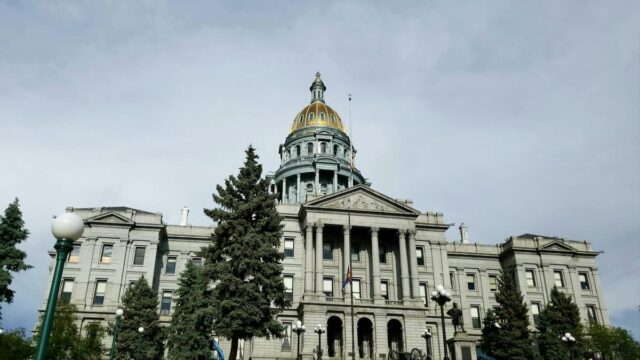
Colorado Gov. Jared Polis signed SB 131 and SB 163, two measures designed to strengthen responsible gambling protections and regulatory oversight.
SB 131 expands responsible gambling requirements and consumer protections for bettors. These include a first-in-the-nation ban on gambling-related push notifications and text messages from operators, as well as deposit limits.
Meanwhile, SB 163 increases oversight authority and compliance responsibilities within the state’s gaming framework.
Why it matters:
Colorado became the first state to prohibit gambling-related push notifications from licensed operators. The move could prompt other states to follow, including Pennsylvania, where lawmakers announced plans to introduce a similar bill.
New York Lawmakers Advance Responsible Gambling Measures
Assembly Passes’ No Gambling Ads for Kids Act’
The New York Assembly passed the “No Gambling Ads for Kids Act,” legislation intended to limit minors’ exposure to gambling-related advertising. The proposal would prohibit licensees from displaying gambling advertisements to users under 18 years old.
The restrictions also include sports betting, prediction markets, sweepstakes casinos, and loot boxes. Earlier this year, New York’s Attorney General, Letitia James, sued Valve over loot boxes, alleging they constitute illegal gambling.
The measure now moves to the Senate for consideration.
Why it matters:
New York is the nation’s largest online sports betting market, meaning advertising restrictions adopted there could influence similar discussions elsewhere. The language around loot boxes comes amid increasing questions about whether they constitute gambling.
Senate Passes Bill Targeting Underage Sports Betting
The Senate also passed a bill to strengthen protections against underage sports betting.
S 7908 would require the New York State Gaming Commission to create an exclusion list that allows individuals (including the parents or guardians of minors) to block the use of identifying information to create mobile sports wagering accounts.
The bill would also strengthen age verification requirements and prohibit reliance solely on self-reported ages when determining whether a customer is eligible to wager.
The measure now moves to the Assembly for consideration.
Why it matters:
The bill would create new safeguards designed to prevent minors from accessing mobile sports wagering accounts using another person’s identifying information.
Rhode Island Senate Passes Sports Betting Expansion
The Rhode Island Senate passed a bill that would expand the state’s sports betting market. The state currently operates under a monopoly system with one operator, Sportsbook Rhode Island. Separately, Bally’s is expected to launch a second online sportsbook later this year.
S 3118 would require the Division of Lottery to issue an open invitation for sports-wagering vendor contracts by Jan. 1, 2027. The division would then award additional contracts until Rhode Island has no fewer than four and no more than six sportsbooks operating in the state.
The bill would also give licensees more authority over marketing, advertising, and promotions, subject to an approved marketing plan and Division rules.
Senate Majority Leader Sen. Frank A. Ciccone sponsors the bill. Ciccone led a push last year as well, when a similar bill passed in the Senate but failed to advance in the House.
Why it matters:
Despite last year’s defeat, Ciccone is once again attempting to change the current sports betting framework.
New Jersey Micro-Betting Ban Advances
The Assembly Tourism, Gaming, and the Arts Committee advanced A3258, a bill that would prohibit online micro betting. Micro bets, which have grown in popularity, allow the bettor to wager on live in-game outcomes, such as the next football play or baseball pitch.
Critics argue that micro bets can encourage impulsive gambling by allowing bettors to place a high volume of wagers within a short period.
The legislation follows a companion Senate bill that advanced from committee earlier this year. That proposal would prohibit micro betting at both online platforms and retail sportsbooks.
Why it matters:
New Jersey is among the first states to move against micro betting. The product has received increased scrutiny from problem gambling experts and advocates over addiction concerns.
Pennsylvania Lawmakers Introduce Skill Games Regulation Bill
Pennsylvania lawmakers introduced HB 2557, a proposal that would create a regulatory framework for skill games.
The bill would require centralized monitoring, player identification, self-exclusion programs, responsible gambling safeguards, and age verification measures. It would also impose loss limits and location restrictions on the machines.
The bill does not establish a tax rate for skill games, focusing instead on regulatory standards and consumer protection requirements.
HB 2557 marks the latest attempt to regulate skill games in Pennsylvania. The state is home to tens of thousands of machines, currently operating in a legal gray area.
The issue remains the subject of ongoing litigation between manufacturers and state authorities, with the Pennsylvania Supreme Court expected to weigh in. Separately, lawmakers have attempted numerous times to pass a regulatory measure, albeit without success.
Why it matters:
Pennsylvania’s years-long battle over skill games remains a priority for many lawmakers. The latest bill allows legislators to once more debate the matter.
Federal Gambling Study Bill Introduced
At the federal level, Reps. Dan Goldman (NY) and Blake Moore (UT) introduced the bipartisan Gambling Disorder Health Study Act, legislation that directs federal agencies to study the economic and public health effects of gambling.
The proposal would examine issues including gambling advertising, addiction, and consumer harm. It would appropriate 10% of the federal excise tax revenue on state-authorized wagers to fund this study for up to three fiscal years.
Why it matters:
The proposal reflects growing interest in Washington regarding gambling’s broader social and public health impacts.


Gambling Insider delivers the latest industry news, in-depth features, and operator reviews that you can trust. Our team combines rigorous editorial standards with decades of specialized expertise to ensure accuracy and fairness. We are committed to delivering clear, impartial, and dependable coverage across the global gambling sector.