FanDuel, DraftKings Want Philadelphia Sports Betting Addiction Lawsuit Dismissed
Operators say product liability laws do not cover "free" online apps; plaintiffs' attorney claims defendants are deflecting

DraftKings and FanDuel claim in court documents that two Philadelphia men who are suing them along with the NFL and Genius Sports cannot use a Pennsylvania consumer protection law as the basis for claims that the sportsbooks’ mobile apps caused the plaintiffs to develop gambling addictions.
“…FanDuel provides a free online application,” attorneys for the Flutter brand wrote in a 111-page document objecting to the plaintiffs’ case filed last week in Philadelphia Common Pleas Court. “FanDuel is not a ‘seller,’ and its application is not a ‘product’ subject to product liability claims under Pennsylvania law.”
DraftKings’ counsel made a similar argument in its 106-page filing.
Christopher Sage and Terry Thompson filed the lawsuit against America’s two largest online sports betting platforms, the country’s most popular sports league, and a data vendor in March, with an amended complaint submitted last month. The case drew national attention earlier this month after The Philadelphia Inquirer reported a FanDuel VIP host got Bryce Harper to record a video for Thompson via Cameo.
The case has also drawn attention because of the plaintiffs’ product liability argument, considered a novel defense in problem gambling lawsuits. Both sportsbooks also argue that the two-year statute of limitations prohibits Sage and Thompson from taking their case to court.
“…the Complaint establishes that Plaintiffs knew of their alleged injuries and their alleged cause years before filing suit in March 2026,” DraftKings said in its response.
All four entities filed motions to dismiss the case against them.
Microbetting: Addictive or Advancement?
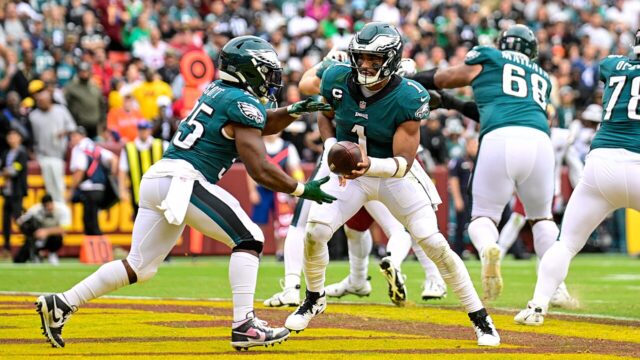
The lawsuit focuses on one type of wager — live betting on specific events within a game, also known as microbetting. Attorneys for Sage and Thompson say that DraftKings and FanDuel “weaponized advancements in mobile technology and artificial intelligence” to create a highly addictive form of gambling and lure customers to those markets.
Thompson, according to the complaint, wagered almost exclusively on NFL microbets. He placed roughly $23 million in bets through the two operators and lost nearly $1.9 million. Sage’s combined losses amounted to more than $170,000 through FanDuel and DraftKings.
In the complaint, the plaintiffs’ attorneys noted the history of legalized sports betting in the U.S. For nearly 90 years, anyone who wanted to put money down on a game needed to go to a sportsbook somewhere in Nevada and face a time-consuming process of physically making the wager in cash to a clerk. Now, though, with the ubiquity of online sports betting apps, the process is as easy as unlocking a phone.
“Due to the known and unique ability of such high-speed, fast-resolving wagers to hijack gamblers’ brains and keep them immersed in ceaseless betting action, DraftKings and FanDuel have implemented various product features designed to drive customers toward microbetting,” the amended complaint stated.
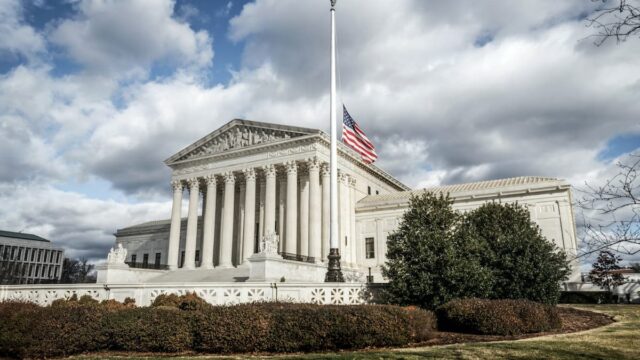
FanDuel took exception to what it felt was the plaintiffs’ point that sports betting was a much better and safer product before the U.S. Supreme Court overturned the Professional and Amateur Sports Protection Act eight years ago.
“It was an explicit effort to regulate a previously unregulated regime – which included not only out-of-state casinos but also illicit bookies, organized crime and offshore casinos – with something the Commonwealth deems to be both safer for the players and better for the taxpayers,” FanDuel stated.
Sportsbooks Challenge Jurisdiction
Both DraftKings and FanDuel also argued that a state courtroom was not the proper place for the plaintiffs to bring their claims. Instead, they claimed Pennsylvania lawmakers made the commonwealth’s Gaming Control Board the only regulatory body to oversee all aspects of sports betting and other forms of regulated gambling.
“Plaintiffs are free to disagree with and even challenge the General Assembly’s policy choices, but not by way of a private civil suit for damages,” FanDuel’s response stated, adding the court should not be asked to use the consumer protection law to “undercut careful legislative and regulatory determinations.”
FanDuel took its argument a step further, filing a separate motion to take the case to arbitration, which it said must happen under its terms and conditions. FanDuel’s lawyers said Sage and Thompson agreed to those when they created their accounts and reiterated that 15 times as FanDuel updated its rules. Thompson last clicked to approve the updated terms on Dec. 16, 2025, just 14 weeks before filing the initial complaint.
A lawyer representing Sage and Thompson scoffed at the defendants’ responses.
“The papers filed by DraftKings, FanDuel, Genius Sports and the NFL point the finger for the harm done to Terry Thompson and Chris Sage at everyone but themselves, which is where our complaint appropriately assigns the responsibility,” said Andrew Rainer, the litigation director for the Boston-based Public Health Advocacy Institute, in a statement to Gambling Insider.
NFL, Genius Say They’re Not Culpable
The NFL cited the U.S. Constitution in its response, adding that it is not a party to the case since it is “an indirect licensor of raw data and statistics” with no connection to the plaintiffs. Having to defend itself “against a sprawling, 13-count tort action” would violate the league’s due process rights under the 14th Amendment.
Sage and Thompson sued the league, in part, because it generates income from the sale of game data.
Genius Sports, the London-based sports analytics company that serves as the sole provider of real-time NFL statistics, said it should not be a party in the case because the plaintiffs’ losses and addiction cannot be tied to it supplying data to the sportsbooks, nor can Genius be connected to the reasons the plaintiffs say they became addicted to gambling.
“Proximate causation is independently lacking because the causal chain between Genius’s supply of sports data and Plaintiffs’ gambling losses is too remote and attenuated,” attorneys for Genius stated in the filing. “Multiple independent actors and decisions fall along the causal pathway, including DraftKings’ and FanDuel’s app design choices and, most importantly, Plaintiffs’ own repeated, voluntary decisions to wager.
The lawsuit also includes five individuals who served as VIP hosts for the plaintiffs. It mentions only one, Shaun Gordon from DraftKings, as a current employee. The others, Bryttanni Morgan and Michael Sonbeek from FanDuel and Dyleisha P. Lewis and Peter Donahue of DraftKings, are listed as no longer working for the sportsbooks. All five are listed with their respective companies in the complaint.
Attorneys for the plaintiffs have until Aug. 5 to reply to the responses, according to the court’s website.


Gambling Insider delivers the latest industry news, in-depth features, and operator reviews that you can trust. Our team combines rigorous editorial standards with decades of specialized expertise to ensure accuracy and fairness. We are committed to delivering clear, impartial, and dependable coverage across the global gambling sector.