Dutch gambling tax hike linked to lower revenues and increased illegal play
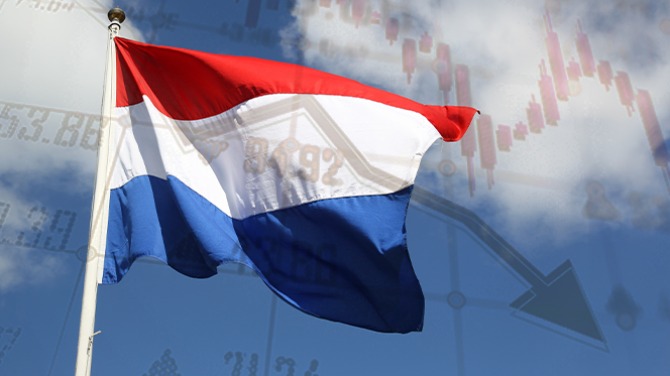
A recent report reveals that the increase in gambling tax from 30.5% to 34.2% has led to unintended consequences for both the market and the state’s tax revenues; both VNLOK and KSA share concerns about the findings.

Key points:
– A higher gambling tax rate in the Netherlands has led to reduced revenues and a shift towards illegal gambling
– Legal operators are struggling to remain competitive under increased tax and regulatory burdens
– The KSA warns that maintaining a sustainable legal market is essential for player protection
The Netherlands’ decision to increase gambling tax from 30.5% to 34.2% in January 2025 has produced unintended consequences, according to industry data and regulatory assessments.
Rather than boosting government revenue as intended, the measure has resulted in a €30m ($34.6m) shortfall in tax collection during the first half of 2025 compared to the same period in 2024.
The Netherlands Gambling Authority (KSA) conducted an impact assessment confirming that the tax increase failed to achieve its revenue objectives. The authority found that gross gaming revenue (GGR) declined in both online and land-based markets, leading to reduced tax revenues despite the higher rate.
Licensed Dutch Online Gambling Providers (VNLOK) chairman Björn Fuchs highlighted the policy’s counterproductive effects, noting that the combination of higher taxes and strict regulations makes legal gambling less attractive to consumers.
This has driven players toward illegal casinos offering higher bonuses and better payouts, with approximately half of online gambling money now flowing through unlicensed operators lacking proper supervision and player protection measures.
The land-based segment has been particularly affected, with gaming locations decreasing by 9% in the first quarter of 2025 compared to the previous quarter. This represents an acceleration from the historical average decline of 6% annually between 2020 and 2025.
Good to know: Online operators have shown slightly more resilience, having greater flexibility to adjust payout percentages and reduce operational costs
KSA Chairman Michel Groothuizen expressed concern about the sector’s trajectory, stating: “The measures we have taken to offer players more protection have made it financially more difficult for providers. This has led to a decrease in the BSR (Belgian Gambling Tax) for the entire market. Consequently, gambling tax revenues have also decreased. The KSA had already indicated this would be the effect before the increase in gambling tax was implemented.
“A financially driven measure like gambling tax is at odds with the policy objective of offering players more protection. If we want to offer players a protected gaming environment in the future, this requires serious, responsible providers. A financially sound, legal market is essential for this.”
VNLOK has proposed freezing the tax rate at 34.2% while investigating its effects, more effectively addressing illegal gambling and implementing policies that don’t drive players to unlicensed operators.



Gambling Insider delivers the latest industry news, in-depth features, and operator reviews that you can trust. Our team combines rigorous editorial standards with decades of specialized expertise to ensure accuracy and fairness. We are committed to delivering clear, impartial, and dependable coverage across the global gambling sector.