Kentucky AG Sues Kalshi, Polymarket, VGW Over Alleged Illegal Gambling Operations
The lawsuits accuse Kalshi and Polymarket of operating unlicensed sportsbooks and target VGW's sweepstakes casino brands, including Chumba Casino and LuckyLand Slots.


Kentucky Attorney General Russell Coleman filed three lawsuits Wednesday against Kalshi, Polymarket, and VGW. Coleman alleges the companies are operating illegal gambling platforms in the Commonwealth without the licenses required under state law.
The complaints allege violations of the state’s Consumer Protection Act, gambling laws, and Loss Recovery Act and seek to stop the companies’ operations in Kentucky.
Kalshi and Polymarket are operating illegal sportsbooks in Kentucky and breaking our laws,” Coleman said in a statement announcing the lawsuits.
These multi-billion dollar corporations and their legal fictions don’t pass the sniff test. As one of our state legislative leaders said it best, ‘If it looks like a duck and quacks like a duck…'”
The lawsuits come roughly a month after Jonathan Rabinowitz, chairman of the Kentucky Horse Racing and Gaming Corporation, suggested that the Attorney General would seek enforcement actions against prediction market operators.
Kentucky Says Prediction Markets Are Sports Betting
The complaints argue that Kalshi and Polymarket’s sports-event contracts fall within Kentucky’s statutory definition of sports wagering. Therefore, the state claims, they require licensing through the Kentucky Horse Racing and Gaming Commission.
According to the state, both companies are accepting wagers from Kentucky residents despite not holding the required license.
The Kalshi complaint also names Coinbase Financial Markets, Robinhood Markets, Robinhood Derivatives, and Webull as defendants. Kentucky alleges that those companies partnered with Kalshi to offer prediction-market products on their respective platforms.
According to the attorney general’s office, Kalshi generated nearly $23 billion in contract volume last year. Approximately 89% of that volume was tied to sports markets. The state further alleges that sports contracts represented roughly 70% of Kalshi’s trading volume during a selected sample period in 2025.
Coleman argues that prediction market operators are bypassing the consumer protections, licensing requirements, and tax obligations imposed on regulated sportsbooks.
Lawsuits Follow Kentucky Prediction Market Tax Challenge
The lawsuits arrive less than a week after the Coalition for Fair Markets, whose members include Kalshi, Crypto.com’s derivatives exchange, and Polymarket US, filed a lawsuit challenging Kentucky’s newly enacted prediction market tax and related restrictions.
Earlier this year, Kentucky enacted legislation that imposes a 14.25% tax on online prediction market revenue. A separate measure prohibits licensed sportsbooks from partnering with prediction market platforms beginning July 15.
Coleman has also taken an increasingly active role in the national debate over prediction markets. Earlier this year, he joined a coalition of 40 attorneys general and the District of Columbia in urging the CFTC to conclude that sports-event contracts are not swaps and should remain subject to state gambling regulation.
The comment letter argued that sports-event contracts are “indistinguishable from traditional sports betting” and fall outside the agency’s jurisdiction.
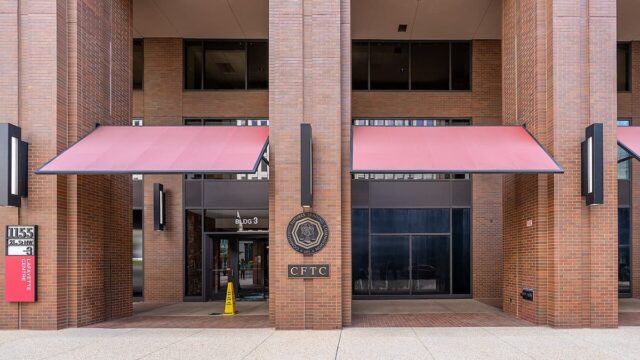
Kentucky’s lawsuits may create an important test for the CFTC’s prediction market strategy. The agency has repeatedly intervened in disputes involving states seeking to restrict sports-event contracts. It has filed lawsuits arguing that federal law grants it exclusive jurisdiction over those markets.
Notably, the states targeted by those actions have all been led by both Democratic attorneys general and governors. Because Coleman is a Republican, any CFTC action against Kentucky could mark the first such dispute involving a Republican attorney general.
Kentucky Targets VGW Sweepstakes Casinos
In addition to prediction markets, Kentucky also targeted sweepstakes casinos. One complaint alleges that VGW operates illegal online casinos through its Chumba Casino, LuckyLand Slots, LuckyLand Casino, and Global Poker brands.
The lawsuit focuses on VGW’s dual-currency sweepstakes model, which has faced growing scrutiny nationwide. Kentucky argues that the model constitutes real-money gambling and violates state law.


Gambling Insider delivers the latest industry news, in-depth features, and operator reviews that you can trust. Our team combines rigorous editorial standards with decades of specialized expertise to ensure accuracy and fairness. We are committed to delivering clear, impartial, and dependable coverage across the global gambling sector.