Chicago City Council Rejects Sweepstakes Ban Amid Ongoing VGT Debate
The vote preserves an estimated 7,000 sweepstakes machines across Chicago as officials continue battling over VGT expansion, casino revenue, and Bally's warnings of potential legal action.

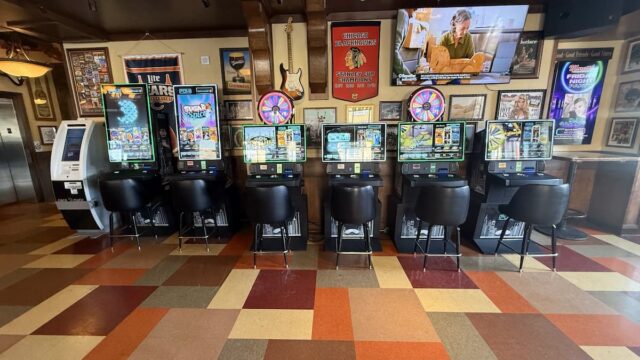
The Chicago City Council voted 33-15 on Wednesday to reject a proposal that would have banned sweepstakes machines citywide. The vote preserves thousands of devices operating in a legal gray area as Chicago officials continue debating the expansion of video lottery terminals and their potential impact on Bally’s planned permanent casino.
The measure, introduced by Ald. Anthony Beale sought to prohibit terminals that resemble slot machines but offer “free play” options and coupons to winners instead of cash, placing them outside Illinois’ regulated gaming framework.
Supporters of the ban argue that the devices cannibalize revenue from licensed gambling operators, while not contributing tax revenue to the city.
Before the vote, Beale said the city is aware of approximately 7,000 sweepstakes machines operating across Chicago.
“There are some areas of the city that have 20 to 30 machines in a gas station,” Beale said during Wednesday’s council meeting as reported by the Chicago Sun-Times.
That’s a mini-casino operating illegally that we’re not getting a dime from.”
The vote marks the latest chapter in a long-running debate over sweepstakes machines, which have operated throughout Chicago for more than a decade in bars, restaurants, convenience stores, gas stations, and laundromats.
Opponents Cite Business Impact
Opponents of the ban argued that prohibition would disproportionately affect African American businesses, which have been excluded from marijuana and video gaming terminal (VGT) opportunities.
Ald. Jason Ervin, one of the proposal’s leading critics, argued that removing the machines would harm business owners. Meanwhile, that would deliver limited financial benefits to the city.
Ervin argued that sweepstakes machines are one of the few gaming-related business opportunities available to them.
Who signs up to put their own communities in peril? … I took this job to do no harm. And this piece of legislation does harm,” Ervin said.
“Our folks are locked out of the VGT space, locked out of the cannabis space. In a legal sense, they have a method to participate and we want to take that away. Tell me, what sense does that make?
Ivan Capifali, commissioner of the Department of Business Affairs and Consumer Protection, told alderpersons that the city lacks both the authority and resources to remove the machines. However, it often issues unrelated code violations to businesses that operate them.
Vote Comes Amid Video Gambling Expansion
The debate over sweepstakes machines has intensified following the City Council’s decision to authorize VGTs in Chicago’s 2026 budget.
Supporters of the ban argued that allowing unregulated sweepstakes machines to continue operating undermines the city’s effort to generate revenue from newly authorized VGTs. Beale was among the strongest supporters of legalizing the terminals.
City officials project approximately $6.8 million in annual revenue from video gambling licenses, assuming roughly 3,300 establishments eventually install terminals.
Mayor Brandon Johnson and some aldermen have opposed the legalization of VGTs. Johnson says the machines would divert revenue from the upcoming Bally’s Casino. He argued their legalization could potentially violate terms agreed under the city’s host community agreement with the operator.
The mayor has also noted that slot revenue is taxed at roughly four times the VGT rate in Illinois.
Bally’s Warns of Legal Action
Bally’s renewed its opposition to VGT legalization one day before the vote. In a letter, the company warned City Council members that it could pursue legal action if Chicago allows widespread deployment of the machines.
Bally’s once again warned that widespread deployment of VGTs would fundamentally alter the economics underlying the company’s casino agreement with the city and could require renegotiation of key terms.
The company said it is prepared to pursue legal remedies if necessary.
Last year, Bally’s estimated that widespread VGT legalization could reduce city revenue by $74 million annually and place up to 1,050 jobs at risk.
Bally’s stated that Chicago’s budget could eventually allow nearly 19,800 VGTs citywide. The company argues the figure would effectively create almost five Bally’s-sized casinos within city limits.


Gambling Insider delivers the latest industry news, in-depth features, and operator reviews that you can trust. Our team combines rigorous editorial standards with decades of specialized expertise to ensure accuracy and fairness. We are committed to delivering clear, impartial, and dependable coverage across the global gambling sector.