North Carolina Governor Signs Budget Raising Sports Betting Tax, Adding Prediction Market Levy
North Carolina became one of the first states to tax prediction markets without creating a regulatory framework. The move could trigger another clash over federal and state authority.


North Carolina Gov. Josh Stein has signed the state’s $34 billion budget into law, creating a new tax on prediction market operators such as Kalshi and raising the levy on sports betting companies. The measure could set the stage for another legal battle over the extent of state authority over federally regulated prediction markets.
The budget imposes a 6% tax on net trading revenue generated by prediction market operators in the state. It also raises the tax on sports betting gross wagering revenue from 18% to 23%. The new law takes effect Jan. 1, 2027.
Notably, the legislation does not create a state licensing or regulatory framework for prediction markets, distinguishing North Carolina from Kentucky and Illinois, which introduced additional regulatory requirements together with their tax measures.
Prediction Market Tax Could Face Legal Challenge
The prediction market tax could drag North Carolina into legal challenges.
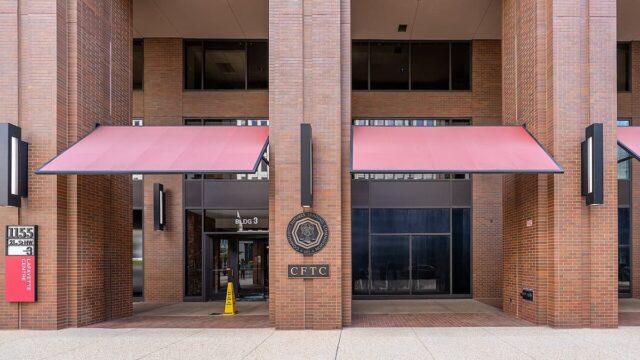
The Commodity Futures Trading Commission has already sued Kentucky and Illinois over their prediction market tax laws. The agency argues the measures unlawfully aim to regulate federally overseen derivatives markets. Separately, Kalshi has also challenged Illinois’ tax regime in federal court.
However, unlike Kentucky, Illinois and several other states that have sought to restrict or prohibit sports-event contracts, North Carolina has effectively acknowledged the legality of federally regulated prediction markets while seeking to generate tax revenue from their operations.
North Carolina Joins Growing Trend of State Tax Increases
The sports betting tax increase to 23% comes amid a broader wave of tax increases across the U.S. sports betting industry in recent years.
Illinois has been particularly aggressive, raising its sports betting tax structure in consecutive years by adopting a progressive tax system in 2024 and introducing a per-wager tax in 2025. Elsewhere, in 2025, New Jersey increased online sports wagering tax and iGaming tax to 19.75% from 13% and 15%, respectively. Meanwhile, Maryland and Louisiana raised their 15% sports betting tax to 20% and 21.5%, respectively.
This year, governors in Illinois, Arizona and Michigan proposed raising sports betting or casino taxes in their budget plans. The proposals underscore a broader trend of states seeking additional revenue from the rapidly growing gambling industry.


Gambling Insider delivers the latest industry news, in-depth features, and operator reviews that you can trust. Our team combines rigorous editorial standards with decades of specialized expertise to ensure accuracy and fairness. We are committed to delivering clear, impartial, and dependable coverage across the global gambling sector.