California Approves Cardroom Blackjack, TPPPS Restrictions Amid Tribal-Cardroom Dispute
California has approved sweeping new cardroom rules banning blackjack-style games and tightening TPPPS mechanics, a move critics say could cost $464M in revenue and thousands of jobs while strengthening tribal gaming exclusivity.

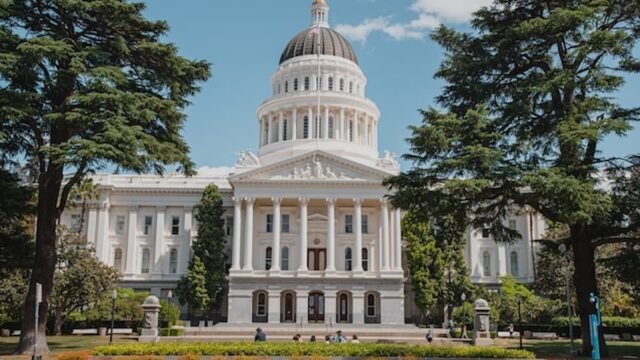
California has delivered what many in the industry view as another win for tribal gaming exclusivity, approving new rules that eliminate blackjack-style games in cardrooms and tighten the operations of third-party proposition player services (TPPPS).
The California Office of Administrative Law approved two rule packages submitted by the California Department of Justice, acting through its Bureau of Gambling Control. The regulations take effect on April 1, 2026, with compliance deadlines later this year.
The decision follows months of pushback from lawmakers, municipalities, and workers who warned the overhaul could threaten thousands of jobs and critical local tax revenue.
What The Rules Actually Do
Prohibition of Blackjack-Style Games
The adopted regulation is explicit:
“Any game of blackjack shall not be approved for play.”
The text defines blackjack by mechanics, not branding. It includes:
- wagers against a player-dealer
- the 21-point target
- standard deck values
- hit/stand/bust structure
By regulating the gameplay structure itself, the rule blocks both traditional blackjack and most close variants historically offered in cardrooms. For many operators, blackjack-style games are among the highest-revenue tables.
Player-dealer / TPPPS: Strict Rotation Mandates
The second package changes how TPPPS operate. Games must now:
- Offer the player-dealer position to seated patrons before each hand
- Rotate the role to at least two non-TPPPS players every 40 minutes
- End the game entirely if rotation doesn’t occur
- Allow only one TPPPS per table
- Prohibit the TPPPS from settling wagers while not acting as a player-dealer
Operators argue that these rules disrupt the continuous “bank” function that TPPPS have historically provided, rendering some games commercially impractical.
Economic Impact: Revenue Shift and Job Losses
The state’s Standardized Regulatory Impact Assessment projects that the new changes will result in measurable job losses and transfer revenue from cardrooms to tribal casinos.
Regulators estimate cardrooms would lose roughly $464 million in annual revenue. Meanwhile, tribal casinos would gain about $232 million.
The analysis also forecasts an average of 364 fewer full-time equivalent jobs per year, or more than 3,600 positions over the next decade.
Broad Opposition, Tribal Support
The state’s rulemaking record shows a broad resistance across political, municipal, labor, and business groups. That contrasts with tribal gaming groups, who view the changes as necessary enforcement of their exclusivity over banked casino-style games in California.
Lawmakers
Assemblymember David Tangipa warned that the rules pose a serious threat to Fresno’s economy, noting that one cardroom generates over $1 million in tax revenue annually. He said:
“The potential loss of these revenues would most likely result in cuts to essential services.”
A coalition of legislators added that the regulations could reduce jobs and slash revenue by 50%.
Municipalities
The California Cities for Self-Reliance Joint Powers Authority detailed how dependent several cities are on gaming revenue:
- Hawaiian Gardens – 70% of the general fund
- Bell Gardens – 50%
- Commerce – 40%
They warned that the rules:
“WILL NEGATIVELY IMPACT our member cities… and will be devastated should you implement your current rules versions.”
Officials cited risks to “public safety, emergency services, fire… and other essential programs.”
Labor Unions and Workers
Labor groups said “the regulations will devastate cardroom operations and revenue.”
They warned of a projected loss of $500 million in tax revenue statewide, adding:
“Thousands of union members… face uncertainty and potential job loss.”
Businesses and Nonprofits
Local businesses and nonprofits tied to cardroom sponsorships warned of lost philanthropy.
One letter described Seven Mile Casino as “a trusted and vital community partner… supporting local nonprofit organizations, youth programs, education initiatives, and public safety efforts.”
Tribal Support
The California Nations Indian Gaming Association supported the proposals, writing they “represent a good first step in providing much-needed clarity.”
The association called for “significant and mandatory penalties… for violations.”
Tribal groups argue that tighter enforcement is necessary to prevent cardrooms from offering games resembling banked casino gambling reserved for tribes.
Legal Backdrop: Recent Court Wins for Cardrooms
The regulatory shift follows two recent courtroom victories for cardrooms in Sacramento County.
In August, a Superior Court judge sustained cardroom defendants’ demurrer in a tribe-led lawsuit brought under SB 549, ruling the claims were preempted by the federal Indian Gaming Regulatory Act (IGRA).
The court later adopted that tentative ruling as its final order in October, effectively dismissing the case and blocking tribes from using state courts to challenge cardroom blackjack and player-dealer structures.
Operators viewed the decisions as affirming their existing business practices. However, the newly approved regulations achieve through rulemaking what litigation could not.
Part of a Broader Regulatory Tightening Across Non-Tribal Gaming
The new cardroom regulations fall within a broader series of enforcement and policy decisions over the past year that, collectively, narrow what non-tribal gaming operators can offer—while reinforcing the exclusivity framework that reserves banked casino-style gambling to tribes.
California’s constitution and tribal compacts grant federally recognized tribes exclusive rights to operate house-banked casino games. For years, cardrooms, sweepstakes platforms, DFS operators, and newer betting products have tested the boundaries of what qualifies as “banked” or “house” gambling.
Recent actions from state regulators suggest those boundaries are now being drawn more tightly.
DFS Declared Illegal
In July 2025, Attorney General Rob Bonta issued a formal opinion that daily fantasy sports (DFS) constitute illegal gambling under state law.
While he’s threatened enforcement, DFS operators have not exited the state. However, most have shifted from the house-banked “Pick ’em” to peer-to-peer formats. That strategy aims to avoid house-banked mechanics and mitigate regulatory exposure. Still, a wave of class-action lawsuits against DFS operators followed.
Sweepstakes Casino Crackdown
Last October, California also banned sweepstakes casinos that use dual-currency models to simulate slot or casino play.
A broader coalition of tribal groups backed the legislation. They said the bill helps protect the state’s regulated gaming framework and ensures fairness for licensed operators.
‘Racing on Demand’ Slot-Style Machine Seizure
In January, state authorities seized slot-like gaming devices at the Santa Anita Park following complaints from tribal gaming groups that the machines resembled prohibited casino slots.
The “Racing on Demand” machines allowed users to wager on previously run horse races through a slot-machine-style interface, similar to historical horse racing terminals used in other states, such as Kentucky.
Santa Anita has vowed to fight back, saying it had provided the California Department of Justice with “a very detailed legal analysis” about operating the machines.
Prediction Markets Pose a New Challenge
While sports betting remains illegal in California, platforms like Kalshi have entered the market by offering event contracts tied to sports outcomes, election results, and other real-world events.
In July 2025, a coalition of California tribes filed a lawsuit against Kalshi and Robinhood. They alleged the platforms are essentially offering illegal sports betting, undermining tribal exclusivity over gaming.
In September 2025, the tribes asked a federal court to issue a preliminary injunction against Kalshi, blocking the platform from offering sports event contracts on Indian lands. However, in November 2025, a federal judge ruled in Kalshi’s favor and denied the tribes’ request.
Last month, the American Gaming Association (AGA) and a coalition of 27 states and the District of Columbia joined the litigation, filing amicus briefs in support of the tribes’ position.
Although the legal fight over prediction markets is ongoing and will likely take a long time to resolve, it underscores a consistent regulatory theme in California: efforts to constrain products that resemble traditional sportsbooks or casino wagering, particularly where they might compete with.
A Consistent Regulatory Theory
Taken together, the actions share a common throughline:
If a product resembles house-banked or casino-style gambling, regulators are increasingly treating it as off-limits outside tribal lands.
For tribal operators, who have long argued that cardrooms and gray-market platforms blur constitutional lines, the shift represents tighter adherence to the exclusivity framework voters approved.
For commercial operators and municipalities, it signals a more restrictive climate — one where longstanding business models are being revisited through a narrower legal lens.


Gambling Insider delivers the latest industry news, in-depth features, and operator reviews that you can trust. Our team combines rigorous editorial standards with decades of specialized expertise to ensure accuracy and fairness. We are committed to delivering clear, impartial, and dependable coverage across the global gambling sector.