This Week’s Gambling Bills: iGaming in Virginia, Sweepstakes Ban Push, Mobile Betting in Wisconsin
Virginia's Senate and House each passed an iGaming bill, three states advanced sweepstakes prohibitions, and the Wisconsin Assembly passed a tribal mobile betting bill.

This week saw both the Senate and the House in Virginia pass iGaming bills after initially rejecting them, multiple states advancing sweepstakes casino ban bills, and Wisconsin’s Assembly passing a tribe-led mobile sports betting bill. Here are the gambling bills that mattered this week.
Virginia iGaming Crosses Crossover; Conference Committee Likely
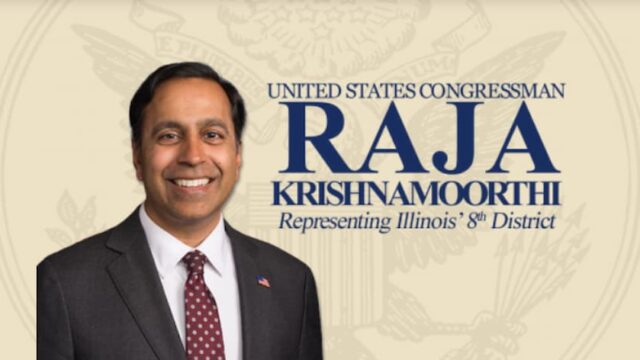
Both chambers of the Virginia legislature passed separate iGaming bills. On Monday, the Senate passed SB 118 by a 19-17 vote after initially rejecting it 19-20 earlier that day, then reconsidered and brought it back for approval.
The next day, the House passed HB 161 by a 67-30 vote. Notably, the proposal was also initially rejected 46-49, reconsidered, and brought back. The outcomes in both chambers highlight how divided lawmakers are on iGaming.
A major difference between the two bills is that the House version would require lawmakers to reauthorize the measure in 2027 before it takes effect. The Senate version would become a law on July 1, 2027. Also, HB 161 includes a provision prohibiting sweepstakes casinos, whereas SB 118 does not.
House fiscal analysis also cautioned that iGaming revenue may not fully offset projected declines in iLottery and casino tax receipts.
Now, each chamber must consider and possibly approve the other’s measure. However, the more likely outcome is a conference committee tasked with negotiating a final compromise.
Why it matters:
Whether negotiators can reconcile the two versions remains uncertain. However, passage in both chambers signals that, while divided, Virginia lawmakers see iGaming as a potential long-term revenue source despite cannibalization concerns.
Sweepstakes Ban Push Spreads: Indiana, Maine, Oklahoma
In addition to the sweepstakes ban provisions in Virginia’s HB 161, three other states advanced measures targeting the unregulated sector.
Indiana (HB 1052): Senate Passage Sends Bill Toward Conference
Indiana’s Senate passed HB 1052, a broad administrative bill that would ban sweepstakes casinos and impose civil penalties of up to $100,000.
After the Senate amended the measure, it returned to the House. However, the House did not concur with the amended language, and the bill now moves to a conference committee for reconciliation.
Why it matters:
If negotiators reach an agreement, Indiana would become the first state in 2026 to enact a statutory prohibition on sweepstakes casinos. It would join six states that adopted similar bans in 2025.
Maine (LD 2007): Committee Advances Ban
On Feb. 18, Maine’s Joint Committee on Veterans and Legal Affairs voted 8–2 to advance LD 2007, a bill that would formally prohibit online sweepstakes-style casino platforms.
During the hearing, committee analyst Rachel Olsen and Maine Gambling Control Unit Director Milton Champion noted that multiple states are pursuing a statutory ban on sweepstakes casinos. While debate continued over whether regulation would be preferable to prohibition, the committee advanced the measure.
Why it matters:
The committee vote moves LD 2007 closer to a floor vote and reflects a broader national shift toward codifying sweepstakes prohibitions rather than relying solely on enforcement actions.
Oklahoma (SB 1589): Unanimous Committee Vote
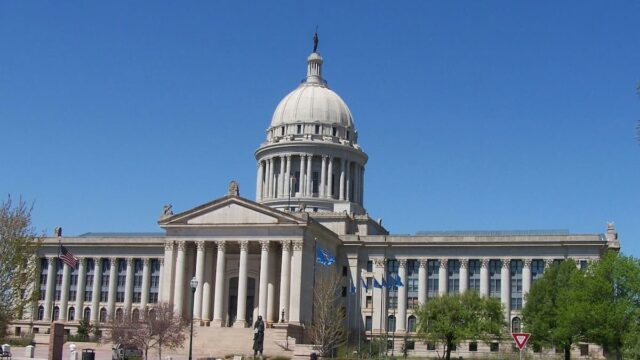
Oklahoma’s SB 1589 cleared the Senate Business and Insurance Committee on a unanimous vote, keeping a sweepstakes ban measure moving early in the session.
The bill defines “online casino game” as a gambling game that allows a person to access the internet or a mobile device and, “upon risking any representative of value,” simulates slot machines, lotteries, bingo, or other prohibited gambling games.
Under “representative of value”, it lists: “any and all currency used as part of a dual-currency system of payment that allows a person to exchange such currency for any prize, award, cash, or cash equivalent, or any chance to win any prize, award, cash, or cash equivalent.”
Why it matters:
Unanimous committee approval signals bipartisan support for prohibition, increasing the likelihood of continued legislative momentum.
Wisconsin Assembly Passes Tribal Mobile Sports Betting Bill
On Feb. 19, the Wisconsin Assembly passed AB 601 without debate and on a voice vote. The legislation would authorize mobile sports betting through Native American tribal compacts. The measure calls for a “hub-and-spoke” model, mirroring Florida’s approach, where servers must be located on tribal land.
The Assembly advancement follows calls from the tribes during the annual State of the Tribes address for the state to pass one of two measures to give them control over mobile sports betting.
Red Cliff Chairwoman Nicole Boyd argued that reform is needed, stating, “It is estimated that Wisconsin residents spend hundreds of millions of dollars every year on unlawful and unregulated sports betting platforms.”
Boyd added that tribal gaming revenues “help ensure that mothers and babies have access to healthcare and healthy food, ensures that our elders can receive care, that our families can have housing.”
Why it matters:
Wisconsin currently allows only retail sports betting. Authorizing mobile wagering under a tribal compact framework would materially expand market access while preserving tribal control.
While national operators such as DraftKings and FanDuel could participate through partnerships, major sportsbooks have previously argued that revenue-sharing structures under compact-based models may prove economically challenging.
Illinois House Panel Votes to Block Chicago’s Sports Betting Tax
The Illinois House Gaming Committee voted 15–0 in favor of HB 4171, legislation designed to prevent home-rule municipalities from imposing separate sports wagering taxes — a direct response to Chicago’s newly enacted city-level tax.
Why it matters:
Illinois already imposes one of the nation’s most aggressive sportsbook tax structures. That includes a per-bet levy in addition to tax on gaming revenue. Illinois Gaming Board data shows that the per-bet tax has contributed to a decline in total wagers placed.
Earlier this year, BetRivers increased its minimum bet from $1 to $5, and while leadership said the hike was “not necessarily” due to Chicago’s new tax, eliminating it would ease some pressure on sportsbooks.
Missouri House Passes VLT Bill (HB 2989)
Missouri lawmakers advanced HB 2989, a bill that would legalize video lottery terminals.
Why it matters:
Missouri has grappled with the proliferation of gray-market machines, such as the “No Chance” terminals, which a judge recently ruled illegal. Regulated VLTs would attempt to replace unlicensed machines, allowing small businesses to generate revenue while the state collects tax revenue.
What to Watch Next Week
- In Virginia, each chamber will now consider the other’s iGaming proposal, with committee hearings likely to be scheduled soon.
- Indiana’s legislative session adjourns on Feb. 27, putting time pressure on conference committee negotiators to finalize HB 1052 before the deadline.
- Wisconsin Senate consideration of A.B. 601
- Further movement in Maine, Oklahoma, and Illinois.


Gambling Insider delivers the latest industry news, in-depth features, and operator reviews that you can trust. Our team combines rigorous editorial standards with decades of specialized expertise to ensure accuracy and fairness. We are committed to delivering clear, impartial, and dependable coverage across the global gambling sector.