Tennessee Sweeps Ban, Oklahoma Rejection Lead This Week’s Gambling Bills That Mattered
Tennessee advances a sweepstakes casino ban, Oklahoma’s sports betting push stalls again, and Colorado lawmakers pivot on prop bets.

This week saw lawmakers in Tennessee advancing measures addressing sweepstakes casinos and prediction markets while Oklahoma, and Colorado arejected sports betting legislation.
Here are the gambling bills that mattered this week:
Tennessee Targets Sweepstakes Casinos and Prediction Markets
Perhaps the most significant updates came from Tennessee, where lawmakers advanced separate bills targeting sweepstakes casinos and prediction markets.
In a session filled with floor rejections, a conference committee standoff, and the adoption of a final compromise measure, the legislature passed SB 2136, which bans dual-currency sweepstakes casinos.
The measure now awaits formal enrollment and certification by legislative leadership before heading to the governor’s desk. If the governor signs the bill, it becomes law immediately.
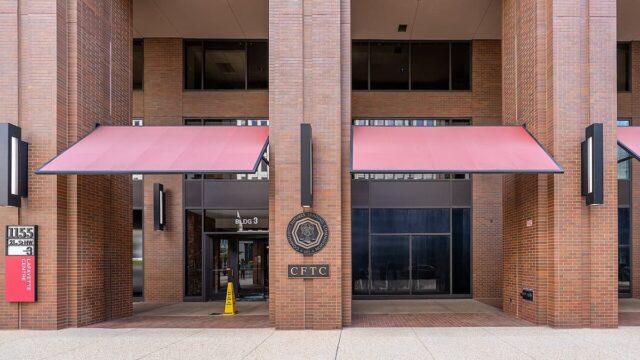
Additionally, at the beginning of the week, the House passed SB 1992, which introduces a new offense targeting manipulation tied to prediction markets.
The bill makes it a felony to influence the outcome of an event while holding a financial interest tied to that outcome on a prediction market platform. SB 1992 now goes back to the Senate for concurrence.
Why it Matters:
Tennessee is cracking down on emerging gambling-adjacent sectors. If Gov. Bill Lee signs SB 2136, Tennessee will become the third state to enact a direct ban on sweepstakes casinos in 2026.
Meanwhile, SB 1992 moves one step closer to passage. If enacted, Tennessee could become one of the first states to take legislative action to address the growing concern of manipulation and insider trading on prediction market platforms.
Oklahoma Sports Betting Bill Rejected — But Not Dead Yet
This week, Oklahoma’s stalled 2025 sports betting bill was briefly revived before being rejected by the Senate.
At the beginning of the week, Sen. Bill Coleman and Rep. Ken Luttrell revived and amended HB 1047. They said they’ve secured backing from tribal leaders, public universities, and the Oklahoma City Thunder.
However, the Senate rejected the measure, citing concerns over addiction and tribal control of sports betting.
A notice to reconsider has been filed, keeping the proposal alive for potential revival.
Why it Matters:
While Oklahoma remains one of a handful of states without sports betting, the recent developments mark progress. The notice to reconsider suggests that negotiations are ongoing.
Colorado Lawmakers Drop Prop Bet Ban as Broader Reform Advances
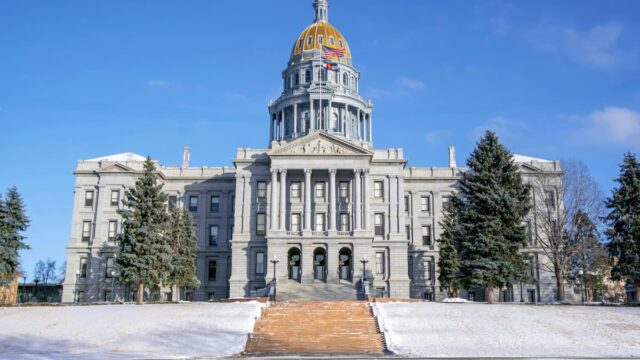
Colorado lawmakers significantly reshaped a proposed sports betting reform bill this week.
SB 131, which originally included a prohibition on proposition bets, advanced out of committee after lawmakers removed the prop bet ban provision.
The removal came after a fiscal note showed that 25% of all bets are prop bets. Lawmakers raised concerns that banning them would significantly impact tax revenue. Notably, earlier this month, Louisiana lawmakers withdrew a similar ban bill over fiscal concerns.
Even without a prop ban, SB 131 covers a wide range of topics, including preventing sportsbooks from limiting sharp bettors, restrictions on advertising and promotional language, and limiting deposits.
Lawmakers also advanced a separate measure, SB 163, which would create a broader structural overhaul of the state’s gambling regulatory framework.
The bill would:
- Eliminate the Colorado Racing Commission
- Transfer its authority to the Colorado Limited Gaming Control Commission
- Expand enforcement powers over unlicensed betting activity
- Extend voluntary self-exclusion programs to sports betting
Why it Matters:
The removal of the prop bet ban highlights the importance of these bets to sportsbooks and their role as tax generators.
That dynamic appears to have prompted lawmakers to reconsider the restriction amid a broader push toward regulatory consolidation, consumer protections, and enforcement.
Other Bills Worth Noting
Missouri: Gambling Tax Increase Stalls
Missouri lawmakers withdrew HB 3533, a bill that would raise the tax on sportsbooks’ gaming revenue from 10% to 34%, from committee consideration. The measure would also reduce the amount of promotional free bets that sportsbooks can deduct for tax purposes.
Bill sponsor Rep. Jeff Knight did not give reasons why he withdrew the bill from discussions by the House Crime and Public Safety Committee. Still, the bill received a new hearing date on April 28.
Why it Matters:
If enacted, the bill would move Missouri from one of the lowest to one of the highest tax rates in the nation.
While the state launched sports betting in December 2025, such a fast change in the tax rate is not unprecedented. In 2023, Ohio doubled its tax rate from 10% to 20% just six months after the market launch.
Connecticut: Problem Gambling Programs Mandated for Colleges
In Connecticut, the Senate passed SB 381, a bill that requires public colleges to offer programs to address problem gambling.
The bill mandates that institutions provide education and resources related to gambling addiction and allows partnerships with nonprofit organizations.
Why it Matters:
SB 381 reflects a growing number of states looking to address gambling harm through education, particularly targeting younger demographics increasingly exposed to betting products.
Louisiana: Promotional Deduction Rules Adjusted
Louisiana’s SB 294 passed the Senate, modifying how operators can account for promotional play deductions.
The bill allows operators to transfer unused promotional-play deductions between licensed properties, subject to reporting requirements.
Why it Matters:
This introduces greater flexibility in promotional accounting and could influence competitive dynamics among operators, particularly in how they deploy bonuses and marketing spend.


Gambling Insider delivers the latest industry news, in-depth features, and operator reviews that you can trust. Our team combines rigorous editorial standards with decades of specialized expertise to ensure accuracy and fairness. We are committed to delivering clear, impartial, and dependable coverage across the global gambling sector.