Strike action: British horseracing industry refuses to race in fight against Government
The organisations involved are concerned that the tax hike will result in mass layoffs in rural areas.

Key points:
– The British Horseracing scene is going on strike for the first time in modern history
– This is because the Treasury is planning a tax hike on the sport
– The strike is estimated to cost around £200,000 ($270,531)
The controversial horseracing strike is set to take place today across the United Kingdom.
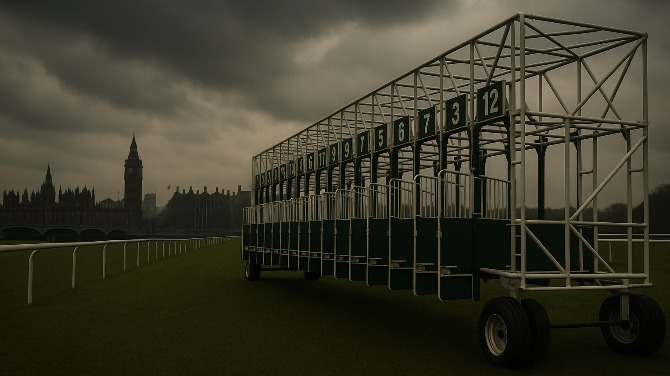
No British horseracing will be shown on TV, there won’t be any of the iconic jersey lists printed in the papers and the horses themselves are staying at home.
Instead, trainers, jockeys and others involved in the strike action will gather at Queen Elizabeth II Centre, outside of Westminster, to raise awareness about the potential ramifications of the proposed tax hike by the Treasury.
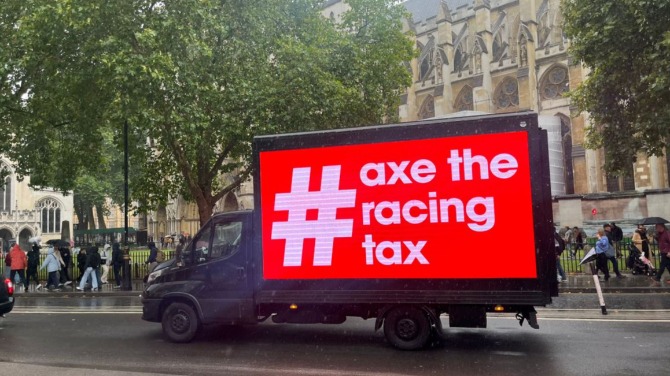
Part of the strike efforts outside Westminster.
This marks the first time the industry has gone on strike.
The Government’s idea is to simplify the tax process by taxing everyone involved with gambling at 21% – meaning that horseracing would have to rise by 6% to meet the same threshold as online casinos.
At the moment, bookmarkers already pay an additional 10% of gross profits on racing into a statutory levy.
The industry also claims it contributes £4.1bn to the British economy each year, with a large portion of this supporting small towns.
Brant Dunshea, British Horseracing Authority CEO, said: “Independent economic analysis suggests [the tax hike] would cost the sport £66m, or the worst-case scenario £160m, and put around 2,700 jobs at risk in year one.
Good to know: Around 85,000 people in rural areas are directly or indirectly employed as part of the British horseracing industry
“Such is the significance of the impact of the proposals, we say £200,000 for a blank day to raise awareness is a small price to pay.”
Unlike online casinos, the horseracing industry comes with a lot of peripheral costs associated with the sport.
In addition, many horseracing tracks are an integral part of rural communities that provides jobs and social opportunities for locals.
A recent study by the British Horseracing Authority found that out of the 7,500 people questioned, 34% of them were potential fans of the sport and 33% classed themselves as casual fans — both indicating the sport has room for significant growth within the country.


Gambling Insider delivers the latest industry news, in-depth features, and operator reviews that you can trust. Our team combines rigorous editorial standards with decades of specialized expertise to ensure accuracy and fairness. We are committed to delivering clear, impartial, and dependable coverage across the global gambling sector.