Incoming ASA head bemoans liberalisation of UK gambling industry
The man due to take over as chairman of the UK Advertising Standards Authority (ASA) has told the Financial times newspaper that the liberalisation of the UK gambling market in 2005 may have caused the industries current travails.

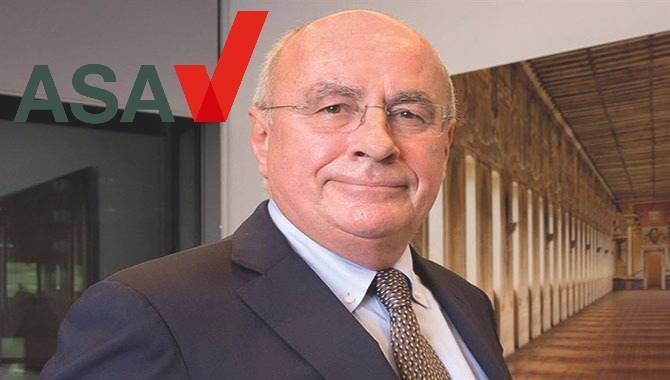
In an interview, Lord David Currie said that “People who are worried about the spread of gambling have to go back to the liberalisation of gambling. I think people should ask the question: ‘was that the right policy at the time?’ The fact of the matter is this is a big issue here in the UK, more so than many other countries, because of that liberalisation.”
Lord Currie currently serves as chairman of the competition and markets authority, but is due to take the reins at the ASA later this year, dividing his time between the two roles until a replacement can be found at the CMA.
Under the previous legislation, betting adverts were banned on British TV and radio until the 2005 Gambling Act which gave companies the green light to promote betting within certain restrictions.
Restrictions included a ban on gambling advertising aimed at under-18s and a ban on advertising before the traditional 9pm watershed except during live sports events. Gambling firms are also barred from encouraging “socially irresponsible” behaviour.
Despite this restrictive framework, the number of gambling adverts on British TV has more than quadrupled from 234,000 in 2007 to 1.4m in 2012, according to communications watchdog Ofcom. The ASA says 3 per cent of the complaints it received in the first half of 2017 were about gambling adverts, a slight decrease in the rate of complaints recorded in 2016.
The news follows online operators 888, Sky Vegas, Ladbrokes and Casumo being found guilty of breaching advertising standards rules surrounding so called ‘fake news’ advertorials targeting vulnerable people, in its dealings with affiliates.
In all cases, the ASA found that the advertisements were deemed to “suggest that gambling can provide an escape from personal problems such as depression or that it can be a solution to financial concerns.”
Responding to the case, Currie said: “We clearly need to be policing the boundaries between what are comment and what becomes advertising and that is an important challenge. If someone is being paid that is an advertisement and there needs to be greater clarity about that. The characteristic of the online world means this will only intensify. Advertising is morphing in forms and we will have to be adept at keeping up to speed with those trends.”



Gambling Insider delivers the latest industry news, in-depth features, and operator reviews that you can trust. Our team combines rigorous editorial standards with decades of specialized expertise to ensure accuracy and fairness. We are committed to delivering clear, impartial, and dependable coverage across the global gambling sector.