Kalshi Leveraging $1 Billion Bracket Contest as March Madness Marketing Tool
Kalshi isn't allowed to attach itself too closely to the NCAA or March Madness, but the prediction market is finding ways to market itself around the event.

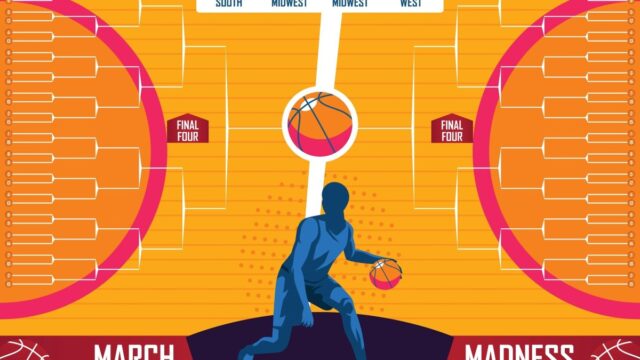
The NCAA is trying to distance itself from prediction markets, but a $1 billion bracket contest is keeping Kalshi in the March Madness conversation.
While Kalshi has been previously slapped on the wrist for associating itself with the NCAA and its championship events without permission, the eye-opening but nearly-impossible-to-win grand prize is making headlines.
Despite having no official marketing rights to the NCAA or its college basketball tournaments, the Kalshi brand, links and promotions are prominent in related SERPs this week, results driven largely by affiliates and paid search.


We’re counting more than a dozen March Madness bracket contests available on major sports websites and sportsbooks, but only one is offering 10 figures to anyone who correctly predicts all 63 games of the men’s tournament.
Of course, dangling a $1 billion prize creates buzz on social media channels as well.
The chances of Kalshi having to write that check are infinitesimal – about 1 in 120 billion based on theoretical odds of -200 (67%) for every game, per Kalshi’s calculations, meaning it would take filling out one every second for about 3,800 years to expect a perfect one.
“Your odds are low… but they’re not zero,” Kalshi promotes.
While perfection is unlikely to be achieved anytime soon, Kalshi is offering a $1 million prize to the highest scorer in its contest, plus donating $1 million to charity and math scholarships, including $500,000 to the charity of its newest endorser, Suns guard Devin Booker.
The Big Dance Around ‘March Madness’
Kalshi appears to be avoiding the phrase “March Madness” on its platform or marketing material for the “$1 Billion Perfect Bracket Challenge”. The company has been scolded in the past for using the NCAA-trademarked term.
“The NCAA has previously addressed issues with Kalshi illegitimately using NCAA marks for their offerings,” the NCAA, whose disdain for prediction markets is well-known, told GamblingHarm.org last month. “This continues to be a misrepresentation of any NCAA involvement, and we have requested immediate removal of NCAA trademarks.”
Beyond prediction markets, the NCAA does not have an official partnership with any gambling company; no sportsbook is allowed to use the organization’s marks, including trademarked terms like “March Madness” and “The Big Dance”, for marketing purposes.
Affiliates, though, can create a de facto buffer between sports betting companies and leagues trying to protect their intellectual property.
Affiliates, too, are often told to avoid the phrase “March Madness” in promotional content. Some are better at adhering to the directive than others – or at convincing their sportsbook partners that using the term is essential for ranking in Google searches, thus worth any pushback from the NCAA (the same song-and-dance occurs around the Super Bowl).
In fact, the 2026 NCAA Tournament is the first edition of the event where sportsbooks are allowed to use “March Madness” on their apps and websites. The NCAA announced last April that through its deal with Genius Sports, sportsbooks could receive access to data feeds, as well as permission to use marks and logos of championship events.
Update: The NCAA sued DraftKings on Friday, March 20, two days after this story was published, for using “March Madness” and other registered trademarks on its sports betting app.
March Adness
In the same press release estimating $3.3 billion will be wagered legally on March Madness, the American Gaming Association laments that 43% of digital sports betting ads in US through the first two months of 2026 did not comply with state gaming regulations and that Kashi is “the most visible sports betting brand by digital ad impressions.” Consumers see Kalshi ads 5.2 billion times a year, compared to just 2.9 billion impressions for FanDuel.
Kalshi may not be invited to partake in the marketing extravaganza around the NCAA’s (and the NFL’s) marquee events – you won’t see ads for prediction markets or sportsbooks during broadcasts of the basketball tournament – but the company is finding its way in.
Related: Will prediction market deals become too valuable for leagues to pass up?


Gambling Insider delivers the latest industry news, in-depth features, and operator reviews that you can trust. Our team combines rigorous editorial standards with decades of specialized expertise to ensure accuracy and fairness. We are committed to delivering clear, impartial, and dependable coverage across the global gambling sector.